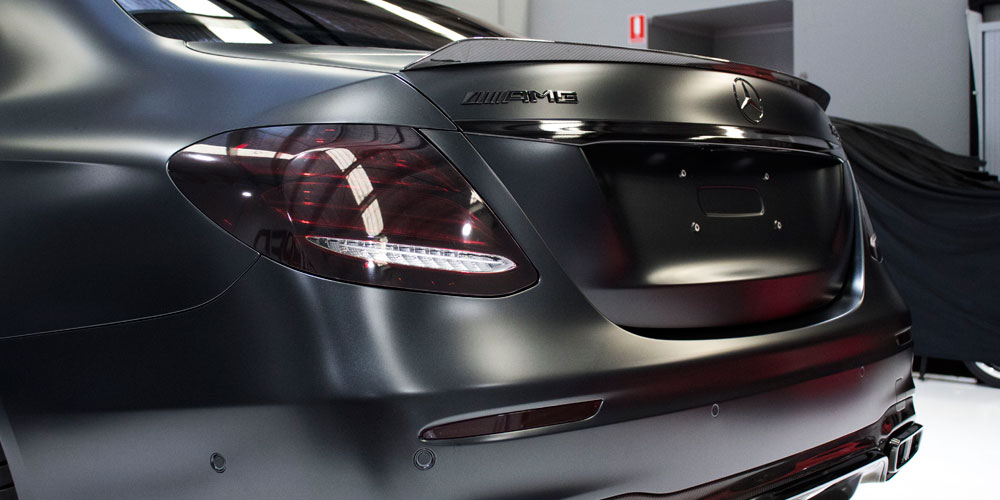
Have you ever spotted a car with dark, tinted tail lights? They look sleek and stylish, catching your eye as they zoom by. With the increasing popularity of customised cars, people have started experimenting with different styles and techniques to make their vehicles look unique. One such popular trend is tinted tail lights.
If you’re considering tinting your tail lights but need to learn more about it, you’ve come to the right place! In this blog post, we’ll cover everything you need to know about tail light tinting and if tail light tint Melbourne is legal or not.
What is Tail Light Tint?
Tail light tints are adhesive vinyl sheets, or films that stick over the top of your vehicle’s rear tail lights, giving them an entirely new appearance. Not only do they enhance the aesthetic appeal of cars, but they also offer practical benefits. The vinyl film material allows the natural light emitted by bulbs to pass through while absorbing any UV rays that might cause damage or fading to the plastic covers of taillights.
Is Tail Light Tinting Legal in Melbourne:
As per Australian laws, the light that emits from the headlights must be white, and yellow and the tail light must be red. However, it is legal to tint your tail lights in Melbourne, but they should not block more than 15% of the headlight beam.
Reasons Why People Choose Tail Light Tints:
There are various reasons why motorists prefer getting their car’s headlights and taillights customised according to their preferences, but here are some reasons why people choose Tail Light Tints:
1. Enhanced style:
Without a doubt, customising vehicles aesthetically has never been more accessible than before. Using several shades or combinations on films gives versatility in styling that complements one’s preference in colours or design.
2. Improved safety:
The tint will serve as a protecting shield and will protect the lights from cracks, damages, wear and tear that debris, dust, stones, and other particles can cause.
3. Increased Privacy:
Tinting Car Windows also offers passengers more privacy, making it harder for outsiders to peek in. However, it is still recommended that car owners comply with applicable regulations regarding tinting their car windows and getting their tail light tint so they don’t get pulled over.
Is Tail Light Tinting Legal?
Restrictions vary based on different regions, so it’s important to note that one should check their country or state laws governing vehicular modifications before opting for customised tail lights. With proper documentation and certification provided by professional tail light tinting service providers, motorists should be fine with complying with these regulations adequately.
How are Tail Light Films Applied?
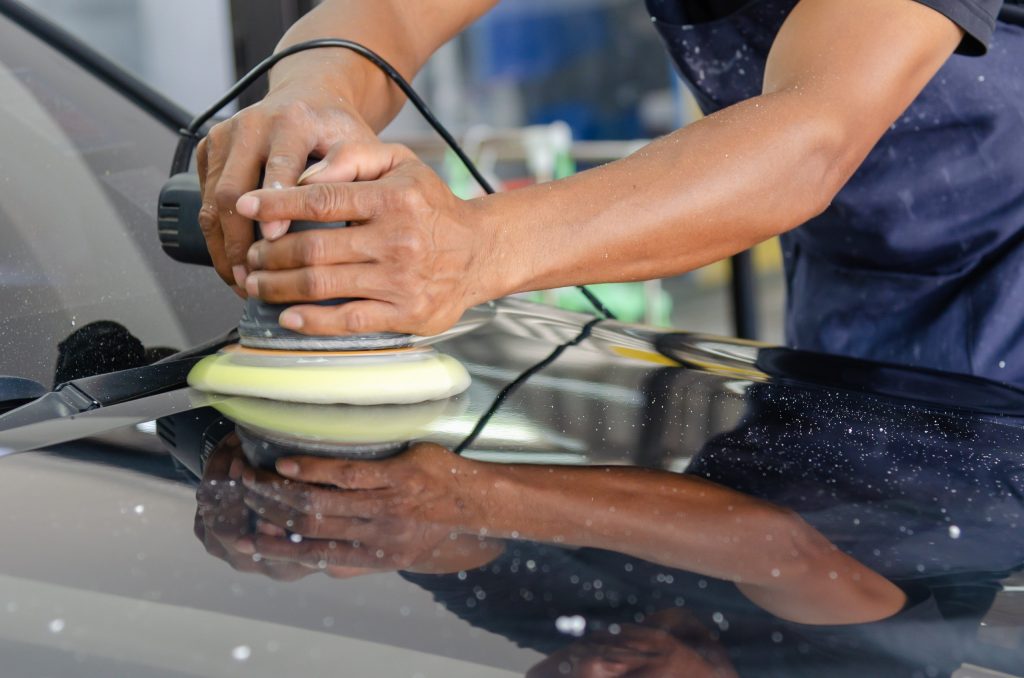
Tail Light Films are easy to install if the installer has proper training and expertise. Depending on the model of the vehicle, The taillight surface must be cleaned thoroughly using soap water or degreaser to ensure there is no grease or debris before applying heat gun application techniques. It usually takes 1-2 hours for a trained car mechanic or professional at to settle completely.
Things To Consider Before Getting Your Tail Lights Tinted:
1. Budget:
Customization can get costly depending on how ornately you want your vehicle detailed, including purchasing high-quality films for visual effects.
2. Warranty Protection:
If you’re going through installation from a reputable provider, ensure they provide warranty protection in case of defects in the material used during installation. Also, make sure permanent changes are covered by the policy stipulated; otherwise, additional fees will be charged when repairs needed down the line arise.
So now you know what exactly tail light tints are, why do people opt for them? Here’s what to keep in mind before you opt for customisation. If you’re looking for affordable, quality services on tail light tint, do not hesitate to contact experts.
In conclusion, Tail Light Tinting is a popular trend with various benefits. However, it is essential to check if the modifications comply with state laws and regulations governing them or risk paying hefty fines/passing tests after failing inspection resulting from non-compliance. When necessary steps are taken into account, one may enjoy their customised vehicle while driving safely and confidently on any road.